


Your estimated due date
If you found your way here, you may have just found out you are pregnant. Congratulations! Use the calculator above for your date, or keep reading for how it works. Once the first wave of excitement settles, the next question is usually “When is my baby due?” It is not quite as simple as adding nine months, because pregnancy is counted as about 40 weeks, which is a little longer than nine months.
Your doctor or midwife will give you an official due date at your first prenatal visit. Until then, The Breastfeeding Shop has put together how to work it out yourself, and what that date really means. You can also read our list of 10 things to do when you find out you’re expecting.
Due date by conception month
A quick rule of thumb: add nine months to the month you conceived, then take off about a week. Here is the due date range for a baby conceived on any day of each month.
| Conceived in | Due date range | Most likely due in |
|---|---|---|
| January | September 24 to October 24 | October |
| February | October 25 to November 21 | November |
| March | November 22 to December 22 | December |
| April | December 23 to January 21 | January |
| May | January 22 to February 21 | February |
| June | February 22 to March 23 | March |
| July | March 24 to April 23 | April |
| August | April 24 to May 24 | May |
| September | May 25 to June 23 | June |
| October | June 24 to July 24 | July |
| November | July 25 to August 23 | August |
| December | August 24 to September 23 | September |
Counting from your last period instead? Your last period started about two weeks before you conceived, so a period that started in mid-January usually means conceiving in early February and a due date in late October or November. In a leap year, dates after February move by a day.
How do I calculate when my baby is due?
Even with close monitoring, nobody can say exactly when a baby will arrive. Every pregnancy is unique and every baby develops at their own pace. These four methods give you a reliable estimate:
| If you know | Your due date is |
|---|---|
| The first day of your last period | That date plus 280 days (40 weeks) |
| Your conception date | That date plus 266 days (38 weeks) |
| An IVF transfer date | Plus 263 days for a day-3 embryo, 261 days for a day-5 embryo |
| An early ultrasound | Set by your provider from your baby’s measurements |
Start with the first day of your last period
Most healthcare providers count 40 weeks from the first day of your last menstrual period (LMP). The average cycle is about 28 days, and ovulation usually happens around two weeks after your period starts. That is why a pregnancy is counted as 40 weeks and not 38: the first two weeks happen before you conceive.
A quick way to do the math, called Naegele’s rule: take the first day of your last period, count back three months, and add seven days. If your last period started January 1, three months back is October 1. Add seven days and your due date is October 8.
Cycles anywhere from 21 to 35 days are normal, and this method assumes a 28-day cycle. If yours is longer or shorter, your due date shifts by about the same number of days. The calculator at the top of this page (also on our due date calculator page) adjusts for your cycle length.
From your conception date
If you were tracking ovulation with a kit or know the day you conceived, add 266 days to that date to estimate your due date.
For an IVF pregnancy
With IVF, the dates are known precisely. Add 261 days to a day-5 embryo transfer, or 263 days to a day-3 transfer. Your fertility clinic will usually give you your due date as well.
From an early ultrasound
An ultrasound in the first trimester measures your baby and is the most accurate way to date a pregnancy, especially if your cycles are irregular or you are not sure when your last period started. If the ultrasound and your period dates differ by more than a few days, your provider will usually go by the ultrasound.
Can your due date change?
Yes. Your baby is usually measured during your first-trimester ultrasound. If your baby measures noticeably bigger or smaller than expected for your dates, your provider may revise your due date. This is more likely if your periods are irregular, since that makes the day of conception harder to pin down.
Try not to stress if your date moves. Once it has been set from an early ultrasound, it usually stays the same for the rest of your pregnancy.
Will I give birth on my due date?
Probably not on the exact day. According to Parents, only about 5 percent of babies are born on their due date, and healthy pregnancies can vary in length by several weeks. Many moms find it helps to think in terms of a due month instead.
To find yours, take your due date and count two weeks back and two weeks forward. That four-week window is when your baby is most likely to arrive, and it gives you a more realistic time frame to get ready.
What full term means
Your due date marks 40 weeks, but babies are considered ready to be born over a range of weeks. The American College of Obstetricians and Gynecologists defines these stages:
- Early term: 37 weeks through 38 weeks and 6 days
- Full term: 39 weeks through 40 weeks and 6 days
- Late term: 41 weeks through 41 weeks and 6 days
- Post term: 42 weeks and beyond
Babies born before 37 weeks are considered preterm.
What to do once you know your due date
- Book your first prenatal visit, usually between 8 and 12 weeks, to confirm your due date.
- Check your insurance benefits for prenatal care, delivery, and a breast pump.
- Find out when to order a breast pump through insurance, and compare the breast pumps we carry.
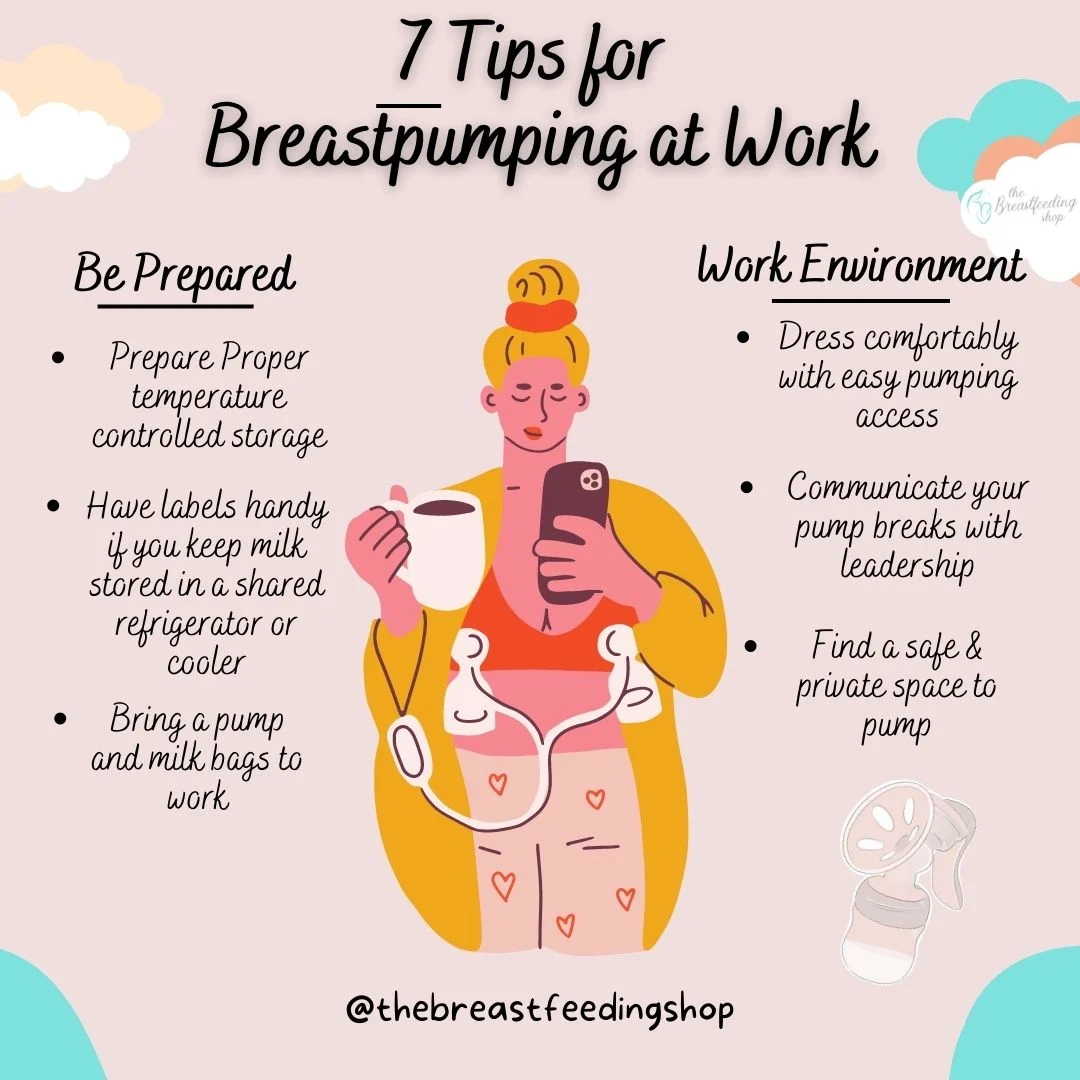
- Going back to work after your baby? Start planning with our tips for breastfeeding and pumping at work.
- Ask your plan about pregnancy compression socks, which many plans also cover.
Questions about your due date
How accurate is a due date?
It is an estimate. Only about 5 percent of babies arrive on their due date, and most are born within two weeks of it on either side. A first-trimester ultrasound gives the most accurate date.
Is 40 weeks pregnant the same as 9 months?
Not quite. 40 weeks is about nine months and one week. Pregnancy is counted from the first day of your last period, about two weeks before conception, so your baby has been growing for about 38 weeks at your due date.
How do I find my due date if my periods are irregular?
Counting from your last period is less reliable with irregular cycles. Your provider will usually date the pregnancy with an early ultrasound instead.
When should I order my breast pump?
With most insurance plans you can order a breast pump while you are pregnant, and some plans ship it closer to your due date. Ordering in your third trimester gives you time to choose and to have it ready before your baby comes.
If I conceived in February, when is my baby due?
Between late October and late November, most likely in November. Add 266 days to your conception date for the exact estimate, or use the calculator at the top of this page.
Sources